Retrofit / insert
A suitable existing frame stays
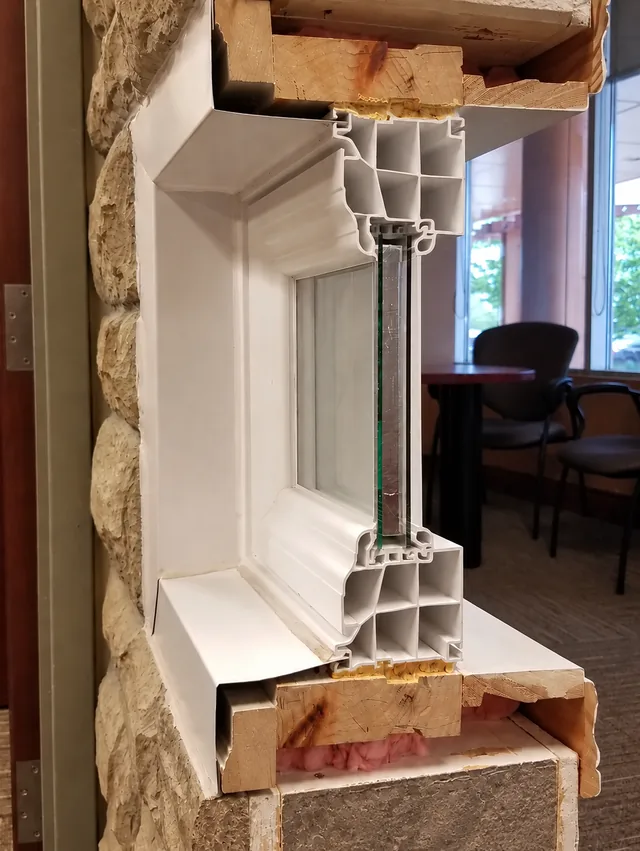
A new unit fits inside a sound existing frame. Ask how the retained frame will be checked, sealed and finished, and how the visible glass area changes.





Find the cause, compare the right scope and plan the next step without unnecessary replacement.
Schedule your FREE in-home, no-obligation consultation today!
Repair, replace or monitor
Not every older window needs replacing today. But a leak, a loose pane and a little moisture on the room-side glass are not the same problem.
The sensible next step depends on the symptom and the condition of the opening. Use this guide to decide what to observe, what to have inspected and what should not wait for a cosmetic renovation.
Decide the scope before the product
A worn seal, serviceable hardware or a failed sealed glass unit may be repairable when the surrounding frame and sash remain suitable. Ask whether compatible parts are available and whether the proposed work addresses the cause.
Do not order a complete window solely because one component has failed.
Replacement may make sense when the frame is deteriorated, several components are failing, suitable parts are unavailable or the existing configuration no longer meets the project’s needs.
Ask the estimator to show what will remain, what will be removed and what the written price includes.
A repair quote and a replacement quote describe different work. Consider the condition of the remaining components, finishing, warranty and the problem each option actually addresses. There is no universal age or repair-cost percentage that decides every home.
Falcon supplies and installs replacement windows. This guide explains the decision; it is not an offer of a standalone glass-repair or emergency repair service.
01 / Choose the next action
Routine maintenance
Light dirt, normal hardware care or occasional room-side condensation may call for cleaning, ventilation and monitoring rather than replacement.
Next step: follow the manufacturer’s care instructions and note whether the symptom returns.
Arrange an inspection
Persistent fog between panes, recurring drafts, sticking operation or staining around the trim deserve a closer look.
Next step: photograph the condition and arrange an assessment before deciding between service, glass replacement and a new window.
Prompt attention
Active water entry, broken or loose glass, an insecure sash or a window that cannot be safely operated should not be left unresolved.
Next step: avoid unsafe use, keep people away from damaged glass and contact a qualified professional.
This is a planning guide, not a remote diagnosis. A full replacement is not the automatic answer in any of these categories.
02 / Locate the symptom first
Natural Resources Canada explains surface condensation and moisture between panes. A photo can help describe a problem, but cannot confirm concealed damage.
03 / The part that can change the scope
If replacement is appropriate, the next question is what can safely remain. These two demonstration cutaways make the distinction visible.
Retrofit / insert
A new unit fits inside a sound existing frame. Ask how the retained frame will be checked, sealed and finished, and how the visible glass area changes.
Full-frame / brick-to-brick
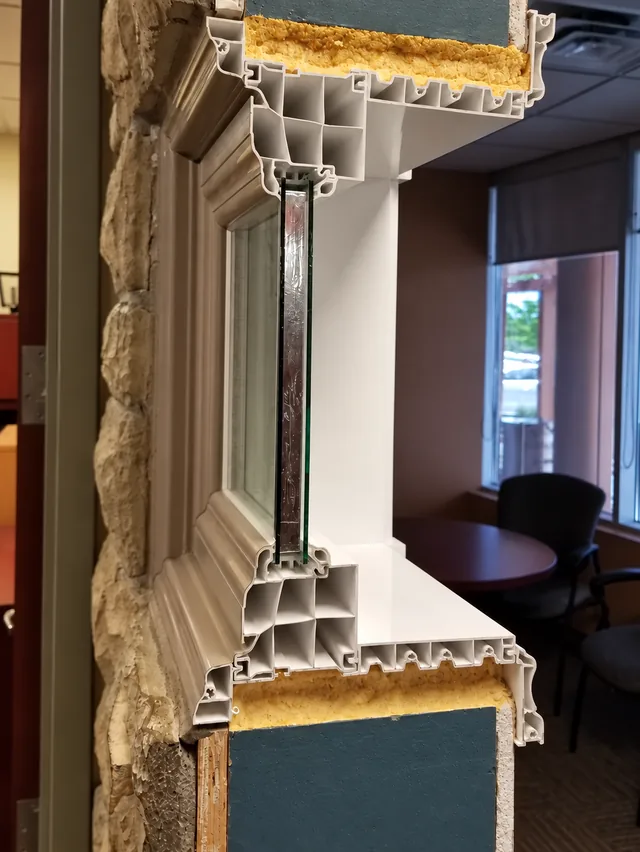
The opening is exposed for inspection and a new installation connection. Confirm the trim, insulation, exterior finish and treatment of any hidden damage in the scope.
Demonstration cutaways with display signs digitally removed. They illustrate installation methods, not completed customer projects. Reference: NRCan on window upgrades and replacement methods.
Unresolved water entry can allow damage to continue. That does not mean every old window is deteriorating at the same rate, or that waiting a set number of months guarantees an expensive repair.
04 / Turn a concern into a useful visit
If replacement is the appropriate next step, use Falcon’s replacement-window page to explore the operating styles and installation choices. An on-site assessment determines the scope; this guide helps you arrive with useful questions.
Useful answers
No. Age provides context, but operation, frame condition, glazing and the source of any leak matter more than a birthday alone.
Sometimes, if the frame and sash are suitable and the correct replacement unit is available. Have the cause assessed before ordering glass or a complete window.
Requirements depend on the municipality and the work. Changing an opening, structure or required egress can raise additional requirements. Confirm the proposed scope with the local building department before work begins.






15 White Vinyl Windows — Hamilton Project
READ MORE ⟶
Fiberglass Entry Door with Sidelights — Guelph Project
READ MORE ⟶
Bay and Bow Window Replacement in the GTA
READ MORE ⟶